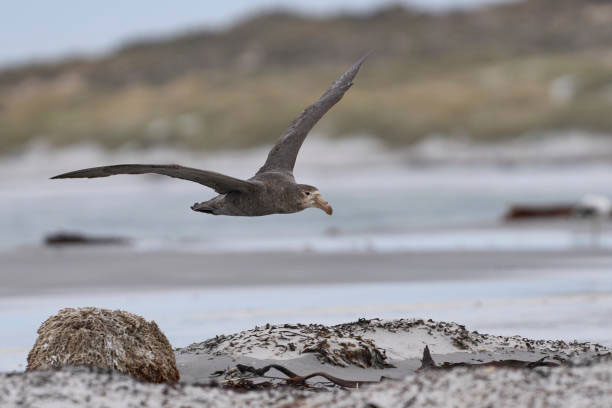
Migratory bird: Southern Giant Petrel
South Australia has confirmed its first case of H5N1 high pathogenicity avian influenza (commonly known as H5 bird flu). The virus was found in a wild Southern Giant Petrel on Knights Beach on the Fleurieu Peninsula.This strain of bird flu has been circulating globally for several years, moving from the northern hemisphere into South America, Antarctica, and more recently Western Australia. While it primarily affects birds, it can occasionally infect other animals.
What Does This Mean for Pets?
The risk to dogs and cats remains very low. Most cases in mammals have occurred in animals that had direct contact with sick or dead wild birds. To keep your pets safe:
- Keep cats indoors or supervised when outside.
- Prevent dogs from scavenging or coming into contact with dead birds or wildlife.
- Avoid areas where sick or dead birds have been found.
Signs of Bird Flu in Birds
If you see wild or pet birds showing any of the following signs, do not handle them:
- Sudden death
- Lethargy or fluffed-up feathers
- Difficulty breathing, sneezing, or nasal discharge
- Neurological signs (twisted neck, loss of balance, inability to stand or walk)
- General sickness with no obvious cause
What Should You Do?
If you find one or more sick or dead birds:
- Do not touch them and keep your pets away.
- Note the details (date, time, location, number of birds, and species if known).
- Call the Emergency Animal Disease Hotline on 1800 675 888 to report it.
PIRSA (Primary Industries and Regions South Australia) is managing the response to this case. Bottom Line While this is a serious disease for birds, the risk to household pets is considered low at this stage. The best protection for your dogs and cats is simply preventing them from coming into contact with sick or dead wild birds.If you have any concerns about your pet’s health, please contact us.